
First-Time Cruise Guide: Everything You Need to Know Before You Book
Cruising is more popular than ever. A record 37.3 million travelers took an ocean cruise worldwide in 2025, according to the Cruise Lines International Association (CLIA), up from 34.6 million in 2024.
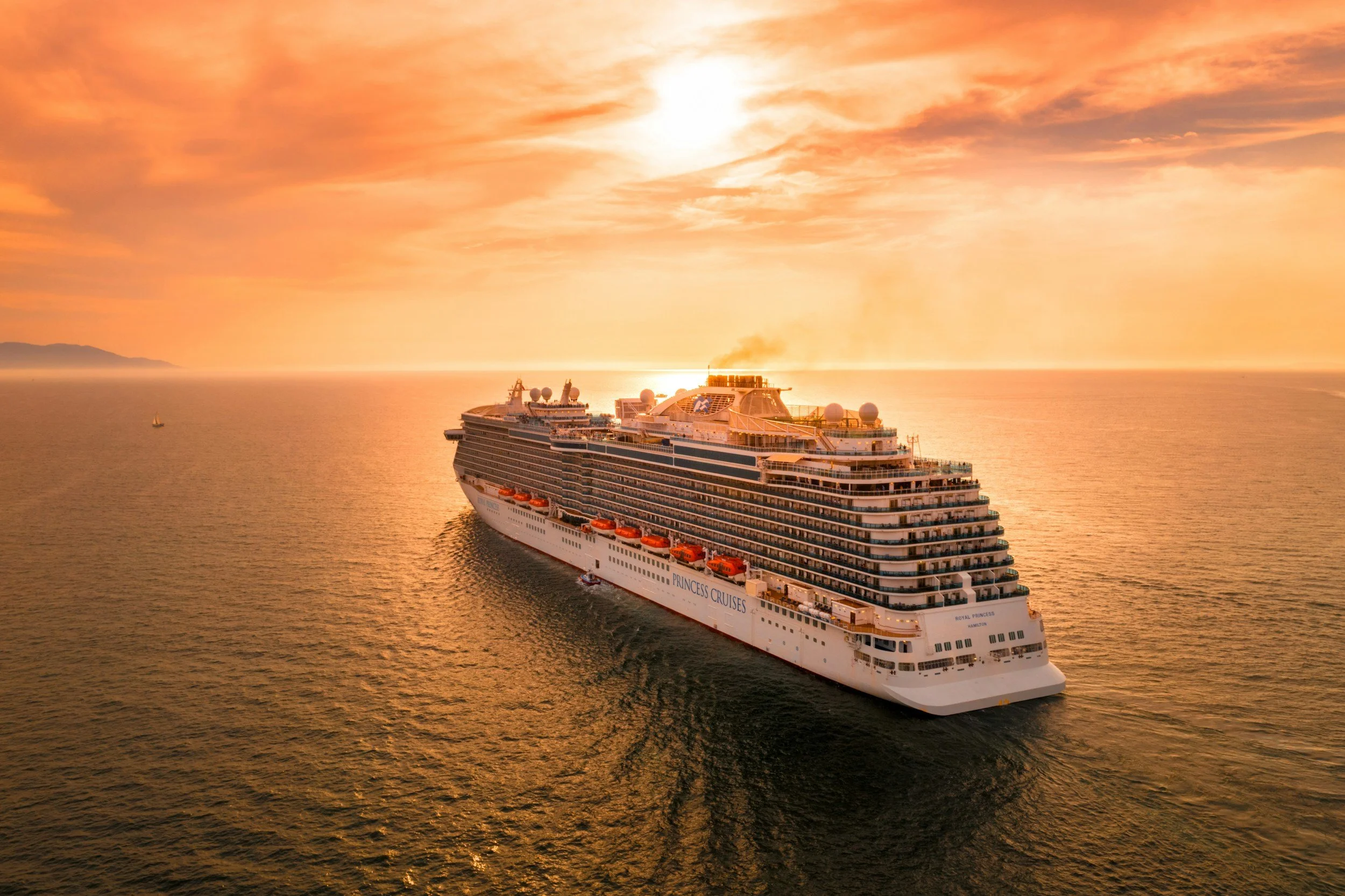
If you're thinking about becoming one of the millions of first-time cruise passengers, there's something important to know before you start comparing prices: the cruise fare is only one part of your overall cruising costs.
Here are six things worth knowing before you book your first cruise.
1. The Advertised Cruise Fare Isn't Your Final Cost
That $599 cruise fare may catch your eye, but check the full price before deciding you've found a bargain.

Cruise vacations can include your cabin, meals in designated restaurants, entertainment, and many onboard activities. Depending on the cruise line and fare you select, however, you'll need to budget for gratuities, alcoholic beverages, specialty dining, Wi-Fi, and shore excursions.
Add airfare, hotels, and transportation to the port, and two cruises with similar advertised fares can end up costing very different amounts.
2. Your Cabin Location Matters
First-time cruisers often focus on choosing between an interior, oceanview or balcony cabin. Where that cabin is located can be just as important.
A bargain cabin directly beneath a nightclub, pool deck or other busy area may not feel like such a bargain at midnight.
Study the ship's deck plan before booking. If you're worried about motion sickness, a cabin located lower and closer to the middle of the ship may also be worth considering.
3. Don't Fly to the Port the Morning of Your Cruise
Your ship won't wait if your flight is delayed.
If you need to fly to your embarkation port, arriving at least one day before your cruise gives you a cushion for weather, mechanical problems, and flight cancellations.
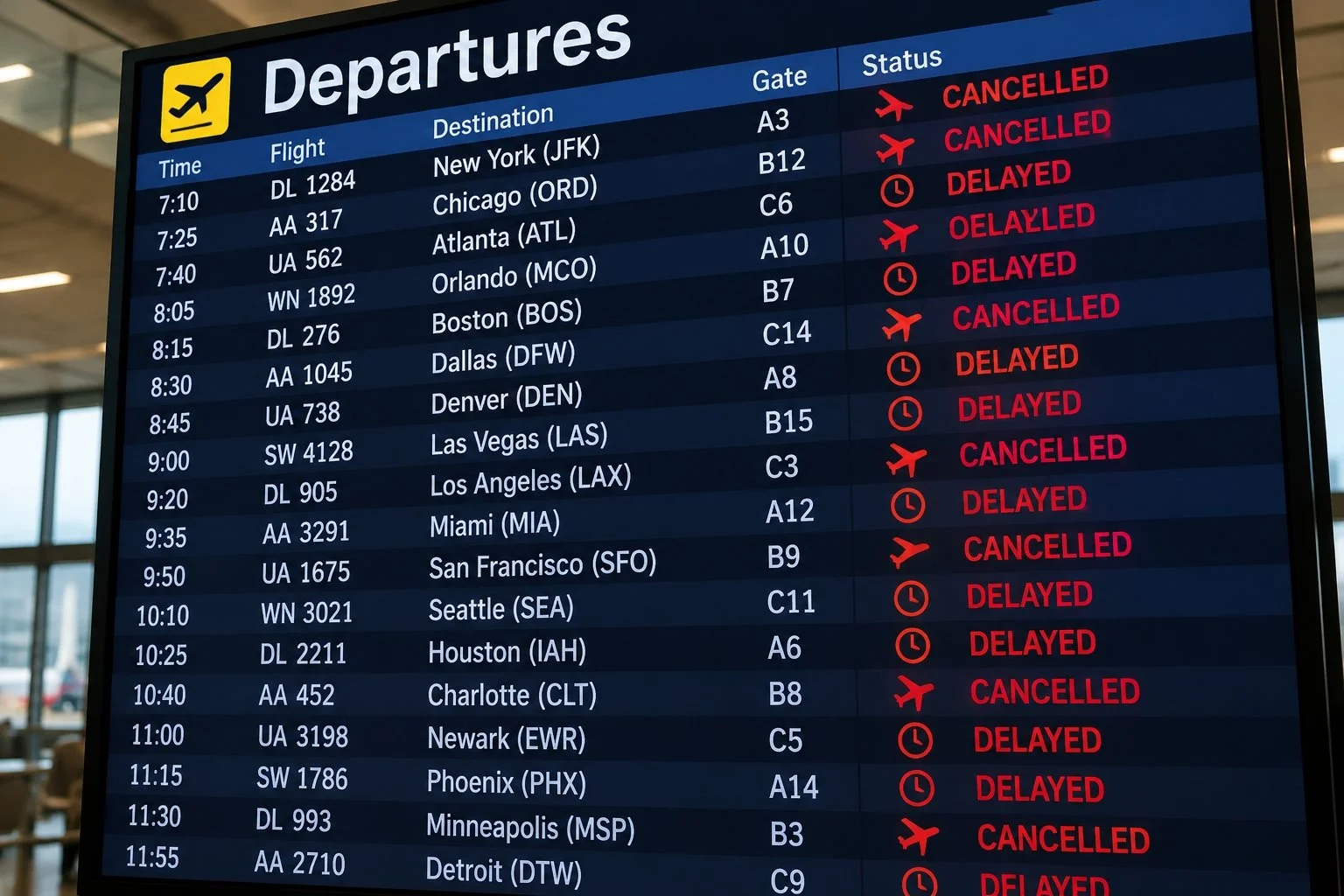
Yes, it means budgeting for a hotel. It can also mean the difference between enjoying embarkation day and watching your ship leave without you.
4. Check Your Travel Documents Before You Pay
Don't assume you don't need a passport just because someone you know cruised without one.
Passport and documentation requirements can depend on your citizenship, itinerary, and whether your cruise begins and ends at the same U.S. port. The documents needed to board the ship and those you might need if an emergency forces you to fly home from another country aren't necessarily the same.
Check the requirements for your specific cruise itinerary well before departure.
5. A Shorter Cruise Isn't Always the Best First Cruise
A three-night cruise might seem like the perfect trial run, but you may barely unpack before it's time to leave.
Short cruises can also have a different pace and atmosphere than longer sailings.
For many first-time cruisers, five to seven nights provides enough time to learn the ship, experience both sea and port days, and decide whether cruising suits their vacation style.
6. Choose the Cruise Line Before You Choose the Deal
A fantastic price isn't fantastic if you end up on the wrong vacation.

Cruise lines—and even ships within the same cruise line—can offer very different experiences. Some emphasize families and attractions, others focus on food and entertainment, while others offer a quieter or more destination-focused experience.
Instead of asking, “Which cruise line is best?”, ask, “Which cruise line is best for us?”
Planning Your First Cruise
The number of choices is one reason working with a travel advisor can be especially helpful for a first cruise. An advisor can help you compare ships and itineraries, explain what's included in different fares, choose the right cabin, and ensure you don’t overlook important details. Plus, they have a wealth of firsthand experience that can help you make the best decision.
Ready to take your first cruise? Contact us and we'll help you find the ship, itinerary and experience that fits the way you want to vacation.