
💵 How Much Money Should You Bring on Vacation?

You've paid for the hotel, booked your flights, and maybe even prepaid for activities—but how much money should you actually bring with you on vacation?
The answer depends heavily on where you're going and how you're traveling. A domestic getaway has very different cash needs than an international vacation or a cruise. And in today's increasingly cashless world, bringing more cash doesn't necessarily mean being better prepared.
The goal is to have the right combination of cash, credit cards, and a realistic spending budget so you're prepared without carrying more money than necessary.
Here's what to consider.
🚗 Domestic Vacations
Traveling within the United States is generally the easiest when it comes to money. Credit and debit cards are widely accepted, and ATMs are usually easy to find, so there's rarely a reason to carry a large amount of cash.
This includes vacations to destinations like Walt Disney World and Universal Orlando, where most purchases can easily be made with a card or mobile payment.
However, it's still smart to have some cash available for:
Tips
Valet parking
Small vendors
Farmers markets
Tolls or parking
Cash-only businesses
Emergencies
💵 How Much Cash?For a typical 4–7 day domestic vacation, having around $50–$100 per adult in cash for the entire trip is usually plenty if you plan to use a credit card for most purchases.
Bring a mix of smaller bills for tips, parking, small vendors, and those occasional cash-only situations. For longer trips or destinations where you expect to use cash more frequently, consider bringing a little extra.
✈️ International Vacations
International travel requires a little more planning because payment practices vary significantly by destination.
Credit cards are widely accepted in many countries, but having some local currency can be helpful for:
Small purchases
Local markets
Tips
Public restrooms
Transportation
Small cafés and shops
Businesses that don't accept cards
You don't necessarily need to arrive with your entire vacation budget converted into foreign currency. Depending on your destination, ATMs can be a convenient way to obtain additional local currency as you need it.
💵 How Much Cash?For a typical 1-2 week international vacation, having the equivalent of about $100–$300 per adult in local currency is a good starting point if you plan to use a credit card for most purchases.
Your destination makes a big difference. In highly cashless destinations, you may barely use physical currency at all, while other destinations may have many more situations where cash is preferred.
Research the payment customs of the country you're visiting before deciding exactly how much to bring.
💳 Watch Out for Foreign Transaction Fees
Before traveling internationally, check whether your credit card charges a foreign transaction fee. A card without one can save you money every time you make a purchase abroad.
It's also a good idea to:
Check your bank's international ATM fees
Know your daily ATM withdrawal limit
Make sure your cards will work internationally
Know how to contact your bank from overseas
Carry more than one form of payment
A little preparation before departure can prevent a frustrating situation once you're abroad.
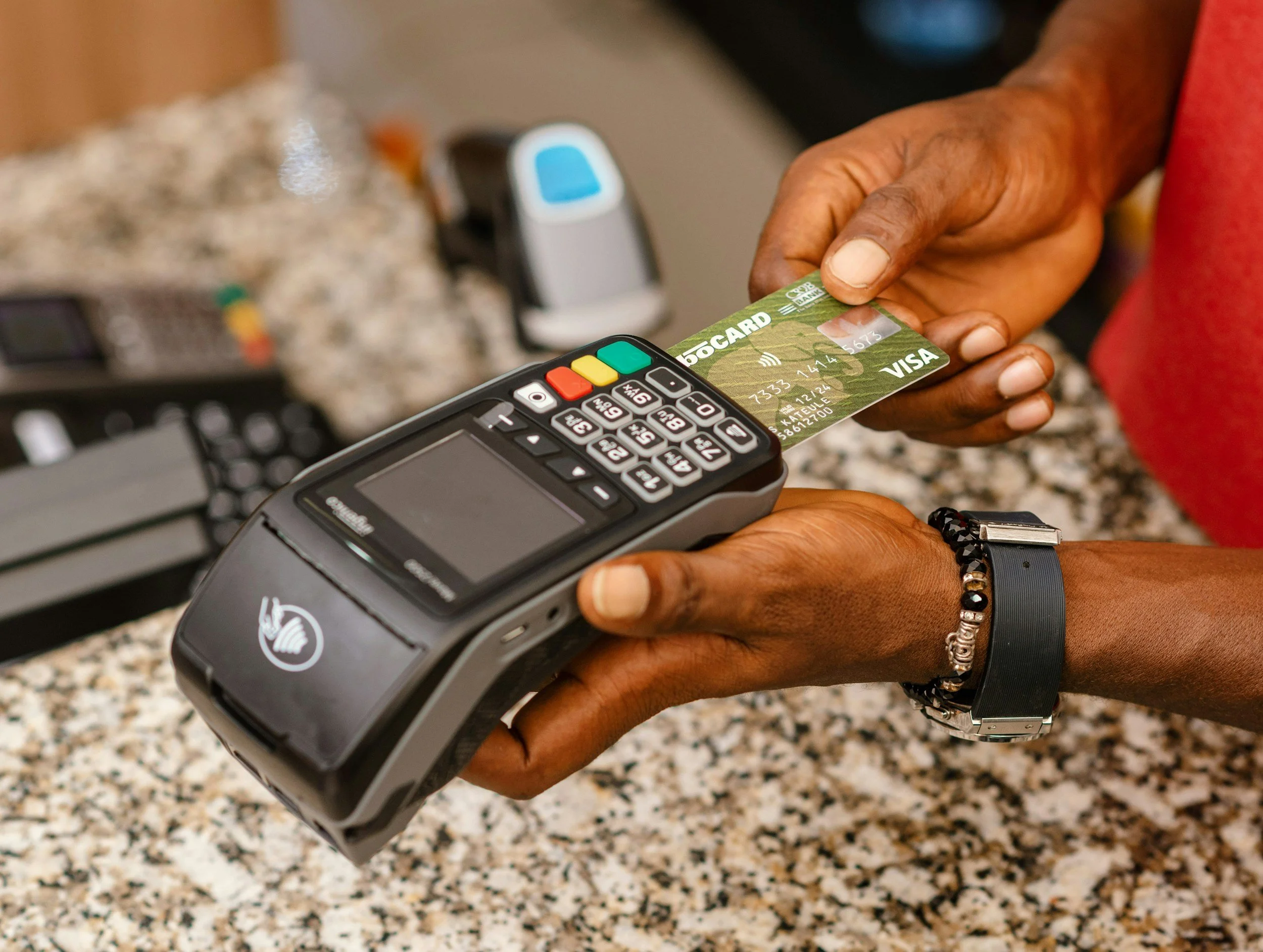
💶 Pay in the Local Currency
When using a credit card internationally, a payment terminal may ask whether you'd like to be charged in U.S. dollars or the local currency.
In most cases, choose the local currency.
Choosing U.S. dollars can trigger something called dynamic currency conversion, which may come with a less favorable exchange rate or additional fees.
🚢 Cruises
Cruises are a little different because most onboard purchases are cashless.
You'll typically connect a credit or debit card to your onboard account and use your cruise card, wristband, or wearable device to make purchases around the ship.
Depending on your cruise line and fare, additional expenses might include:
Alcoholic beverages
Specialty dining
Spa treatments
Casino spending
Shore excursions
Shopping
Photos
Wi-Fi
Gratuities
Room service charges
Specialty coffees
Souvenirs
Because these small purchases can add up quickly, it's helpful to decide on an onboard spending budget before you sail.
💵 How Much Cash?For a typical 7-night cruise, around $100–$200 per adult in cash can be a reasonable starting point if you're using a credit card for your onboard account.
You probably won't need much cash while you're actually on the ship. Instead, most of it is useful when you're in port.
Bring plenty of smaller bills for:
Cruise porters
Tour guides
Excursion drivers
Beach attendants
Local vendors
Markets
Tips
U.S. dollars are accepted in many popular Caribbean cruise ports, although this isn't true everywhere. For cruises outside the Caribbean, research the currencies used at your ports before leaving home.

📱 Keep an Eye on Your Cruise Account
Since you aren't pulling out your wallet every time you order a drink or buy something onboard, it's surprisingly easy to lose track of how much you're spending.
Use your cruise line's app or your stateroom television to check your onboard account periodically.
It's much easier to spot an incorrect charge—or realize you're spending more than expected—on day three rather than on the final morning!
💲 Cash or Credit Card?
For most vacations, a combination of both is best.
Use a credit card for larger purchases and wherever cards are readily accepted while keeping a modest amount of cash for tips, small purchases, and emergencies.
When traveling, consider bringing two different credit cards and keeping them in separate places. If one card is lost, stolen, or declined, you'll still have another way to pay.
🏧 What About Debit Cards?
Debit cards can be useful for ATM withdrawals, but you may want to think twice before using one for every vacation purchase.
Hotels, resorts, cruise lines, rental car companies, and other travel providers may place temporary authorization holds on your card. With a debit card, those holds can temporarily tie up money in your checking account.
A credit card can provide more flexibility for these types of travel expenses.
🧾 Don't Forget About Tips
Tipping is one of the easiest vacation expenses to underestimate.
Depending on your trip, you may want cash available for:
Housekeeping
Bell services
Valet attendants
Tour guides
Drivers
Bartenders
Restaurant servers
Cruise porters
Private transfers
Carrying a combination of $1, $5, $10, and $20 bills makes tipping much easier.
For international trips, research local tipping customs before you travel. Tipping expectations vary considerably around the world, and in some destinations tipping isn't customary at all.

🆘 Keep Emergency Money Separate
Don't keep all of your cash and cards together.
Consider keeping one credit card and a small amount of emergency cash somewhere secure and separate from your everyday wallet. If your wallet is lost or stolen, you'll still have access to money.
This is especially important when traveling internationally.
📝 Create a Daily Spending Budget
There's an important difference between how much cash you should carry and how much spending money you should budget for your vacation.
Instead of asking only, "How much money should I bring?" ask:
"How much do I realistically expect to spend each day?"
Consider expenses such as:
Food and drinks
Transportation
Activities and excursions
Tips
Shopping
Souvenirs
Then multiply your estimated daily spending by the number of days you're traveling and add a cushion for unexpected expenses.
For example, if you expect to spend about $50 per day for five days, that's $250. Adding another 10–20% gives you some breathing room for unexpected expenses, bringing your total spending budget to around $275–$300.
That doesn't mean you need to carry $275–$300 in cash—you simply need access to that amount through your preferred combination of cash and cards.
💡 Pro Tip: Don't Carry Your Entire Vacation Budget in CashIf you've budgeted $1,000 for vacation spending, you don't need $1,000 stuffed into your wallet.
Bring enough cash for the situations where you'll actually need it and use a credit card for most other purchases. You'll have better protection if something is lost or stolen, and you won't spend your vacation worrying about carrying a large amount of cash.
✨ Let's Talk Travel Can Help You Budget Beyond the Price of the Trip
The cost of a vacation isn't just the price you see when you book. Meals, tips, transportation, excursions, souvenirs, and other extras can all affect your final vacation budget.
Let's Talk Travel can help you understand what's already included, what you'll likely pay for once you arrive, and what additional expenses you should plan for—whether you're taking a domestic getaway, traveling internationally, or setting sail on a cruise.
Ready to start planning?
Contact us today!
